Tell us about the job
Takes about a minute. No obligation.
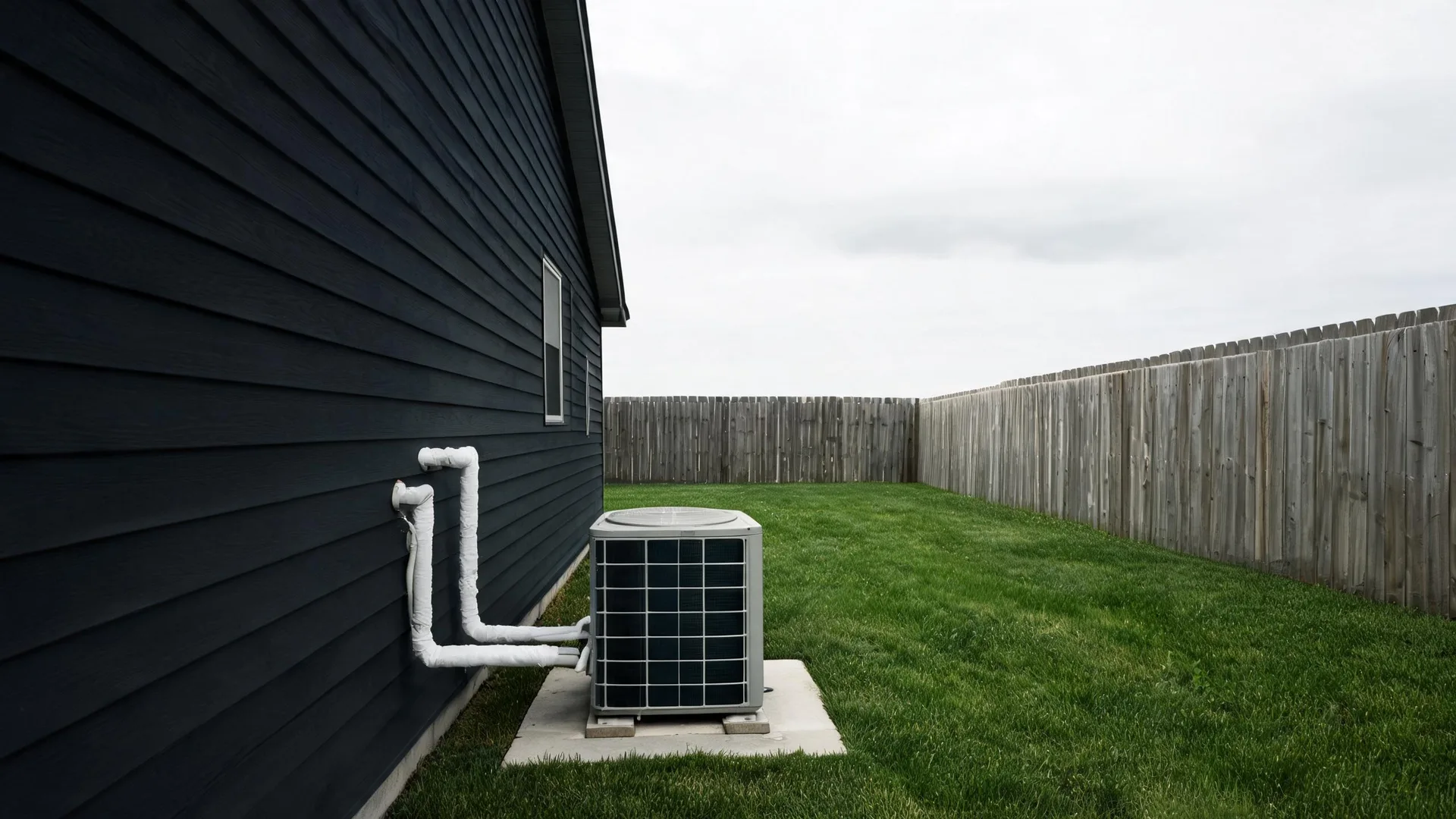
Sizing a central AC system in Grand County starts with what the equipment actually does between seasons. Homes in Grand County, UT run cooling about three months a year, from June through August. The compressor, condenser fan, and contactor each spend far more time off than running, and components that sit idle collect their own problems: seized contactors, degraded capacitors, refrigerant leaks that go unnoticed until the first hot day. A contractor quoting a new install has to select equipment and verify ductwork for a load profile where the hard days arrive in a short window and the system has had months to develop a fault no one noticed.
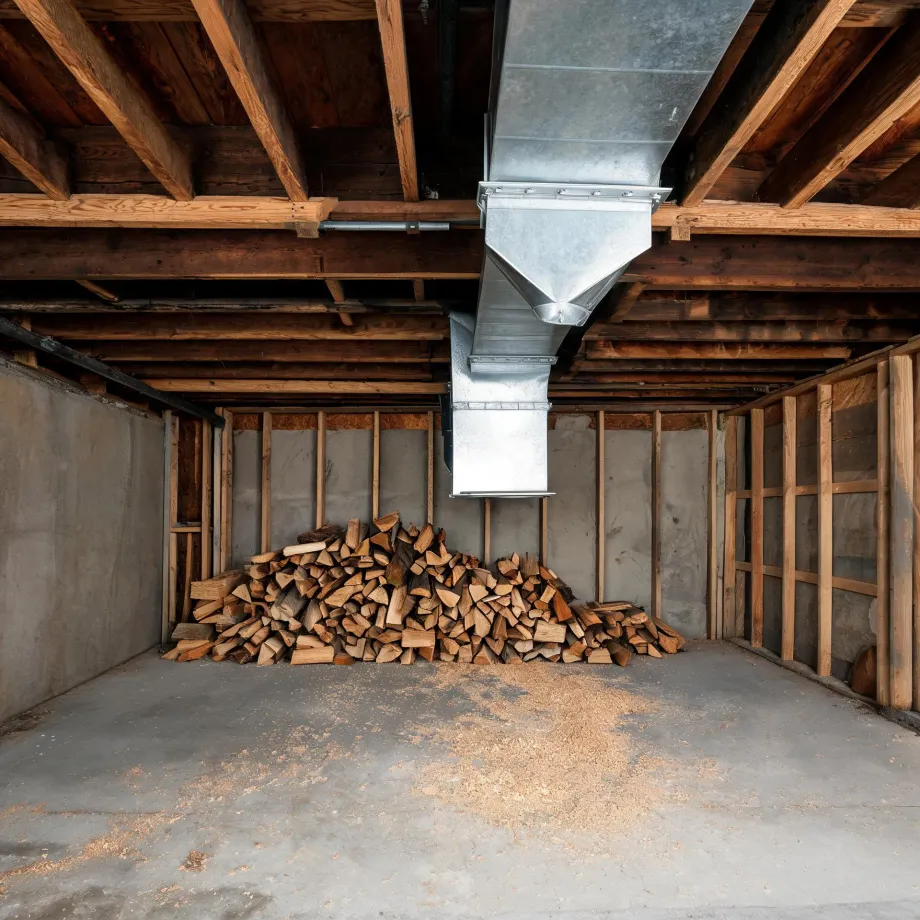
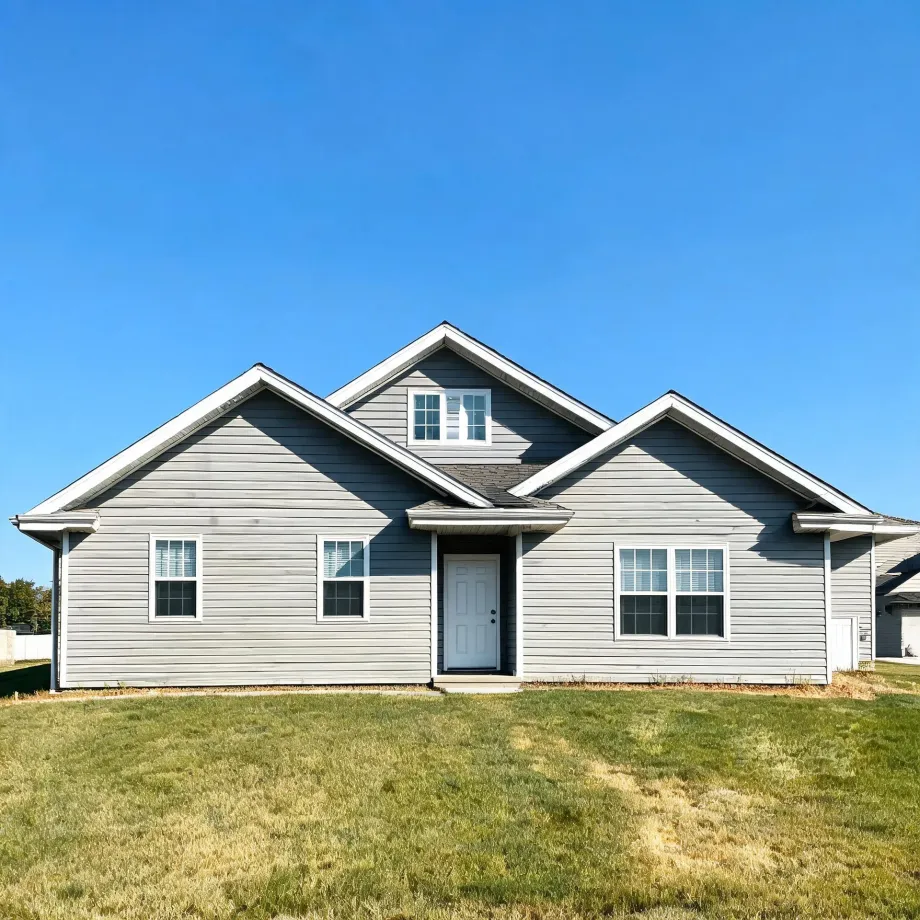
Existing ductwork is what decides how a central AC installation goes in Grand County, and much of what is inside these walls was sized and routed for something no longer in the house. Half the homes in Grand County, Utah were built in 1988 or earlier (2020-2024 ACS 5-year). Electrical service follows the same pattern: panels put in for an older load often need assessment before a contractor can confirm what a new unit requires. A quote that skips the ductwork is a quote built on a guess.
What a Central AC Installation Puts in Your Home
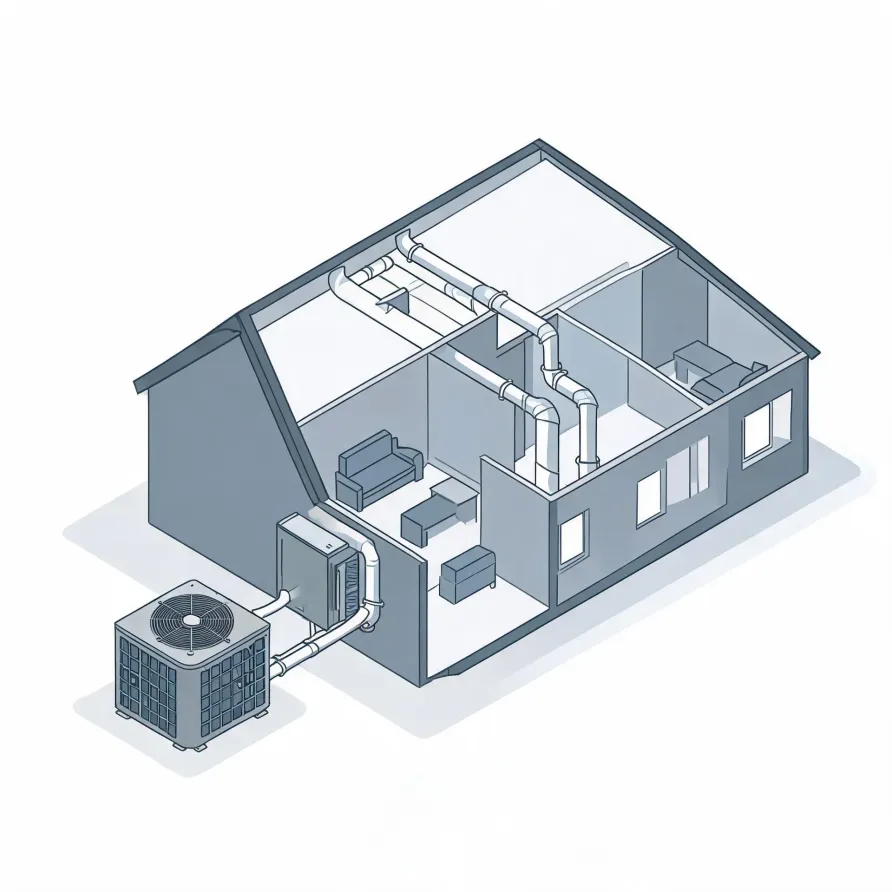
The outdoor condenser unit sits on a concrete pad beside the house and holds the compressor and condenser coil. Inside, the air handler or furnace-mounted evaporator coil lives in a utility closet, attic, or basement. These are the two main pieces a contractor brings in and sets in place.
The refrigerant line set runs between those two units, connecting them through the wall or floor. A thermostat goes on an interior wall and gives you control over the whole system. The condensate drain line runs from the indoor coil to a floor drain or outside to carry away the moisture the coil pulls from your air.
The drawing shows a typical layout, and a licensed contractor determines exactly how each piece fits the configuration of your house.
Get matched in Grand CountyGrand County by the numbers
159 severe weather events were recorded in Grand County, Utah between 2015 and 2024.
NOAA National Centers for Environmental Information, Storm Events Database, bulk CSV export, events 2015-01-01 through 2024-12-31.Half the homes in Grand County, Utah were built in 1988 or earlier (2020-2024 ACS 5-year).
U.S. Census Bureau, 2020-2024 American Community Survey 5-Year EstimatesGrand County, Utah holds 5,424 housing units (2020-2024 ACS 5-year).
U.S. Census Bureau, 2020-2024 American Community Survey 5-Year EstimatesOwners occupy 70.3% of the occupied homes in Grand County, Utah (2020-2024 ACS 5-year).
U.S. Census Bureau, 2020-2024 American Community Survey 5-Year EstimatesCodes & Standards Governing Central AC Installation in Grand County, Utah10 sourced rules and standards
What happens on installation day
Split-system central air conditioners rated below 45,000 Btu/h manufactured on or after January 1, 2023 must meet a federal minimum of 13.4 SEER2.
Split-system central air conditioners rated at or above 45,000 Btu/h manufactured on or after January 1, 2023 must meet a federal minimum of 13.4 SEER2.
Split-system central air conditioners manufactured between January 1, 2015 and December 31, 2022 had to meet 13 SEER, the metric that preceded SEER2.
Single-package central air conditioners manufactured on or after January 1, 2023 must meet a federal minimum of 13.4 SEER2.
Space-constrained central air conditioners manufactured on or after January 1, 2023 must meet a federal minimum of 11.7 SEER2.
Federal efficiency standards for split-system central air conditioners and heat pumps are set on each certified combination of outdoor unit and indoor coil rather than on the outdoor unit alone.
Residential and light commercial air conditioning and heat pump systems assembled in the field, including mini-splits and unitary systems, may not be installed on or after January 1, 2025 using a refrigerant with a global warming potential above 700.
A field-assembled system whose specified components were all manufactured or imported before January 1, 2025 carries no installation compliance date under the refrigerant restrictions and may still be installed.
Licensing and Legal Requirements in Grand County, Utah
Utah’s contractor licence does not reach alteration, repair, remodelling or improvement of a building worth less than $7,000 in labour and materials together, counting every change and addition to the agreed work — though the plumbing and electrical trades are pulled back under licensure even below that figure.
Utah requires a state licence before engaging in a licensed construction trade or contracting activity, and HVAC contractor is one of the licence classifications the state issues.
Severe Weather Events in Grand County
Weather conditions drive how hard a cooling system works and how long it lasts. What the climate does in Grand County shapes the equipment decisions a contractor makes here.
159 severe weather events, 2015–2024. Source: NOAA National Centers for Environmental Information, Storm Events Database.