Tell us about the job
Takes about a minute. No obligation.
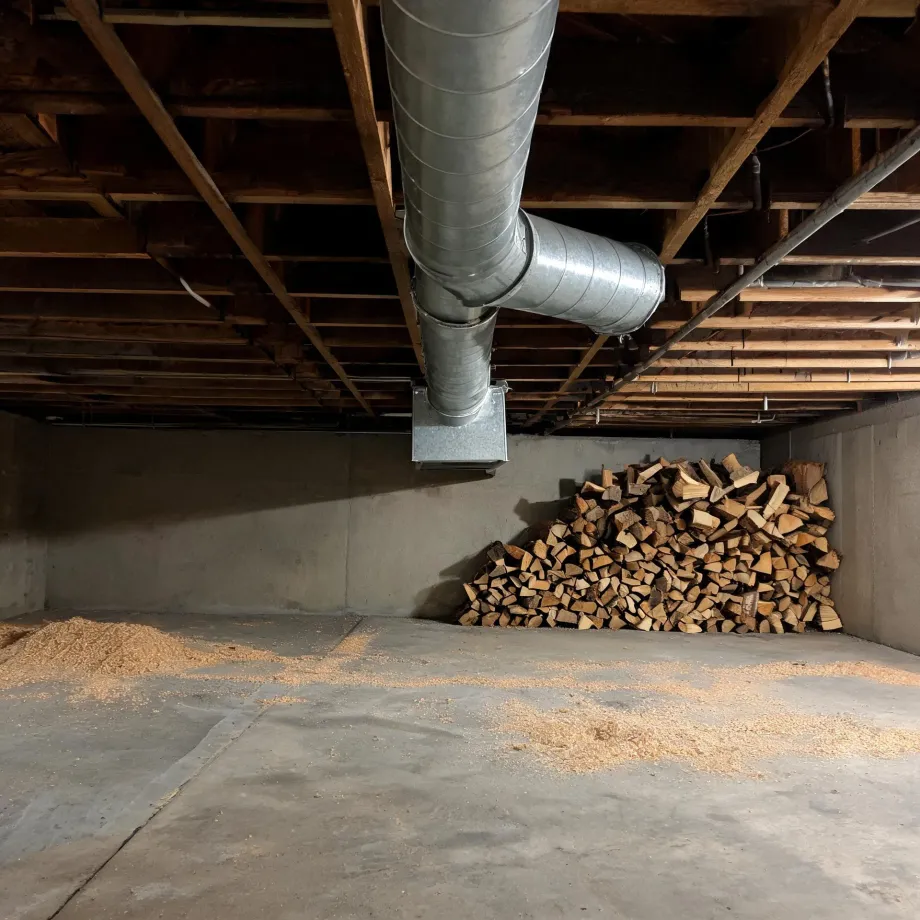
A compressor that sat dormant through fall, winter, and spring can shed lubricant from its seals, let contactors corrode from disuse, and develop capacitor weakness that only shows when it finally has to start. Homes in Iron County, UT run cooling about two months a year, from July through August. So when a repair call comes in early summer, a contractor checks the parts that degrade while the system is off as carefully as the ones that wear while it runs. Contactor pitting, dried capacitor electrolyte, and refrigerant that crept past softened seals are common findings after a long idle, not after a punishing load.
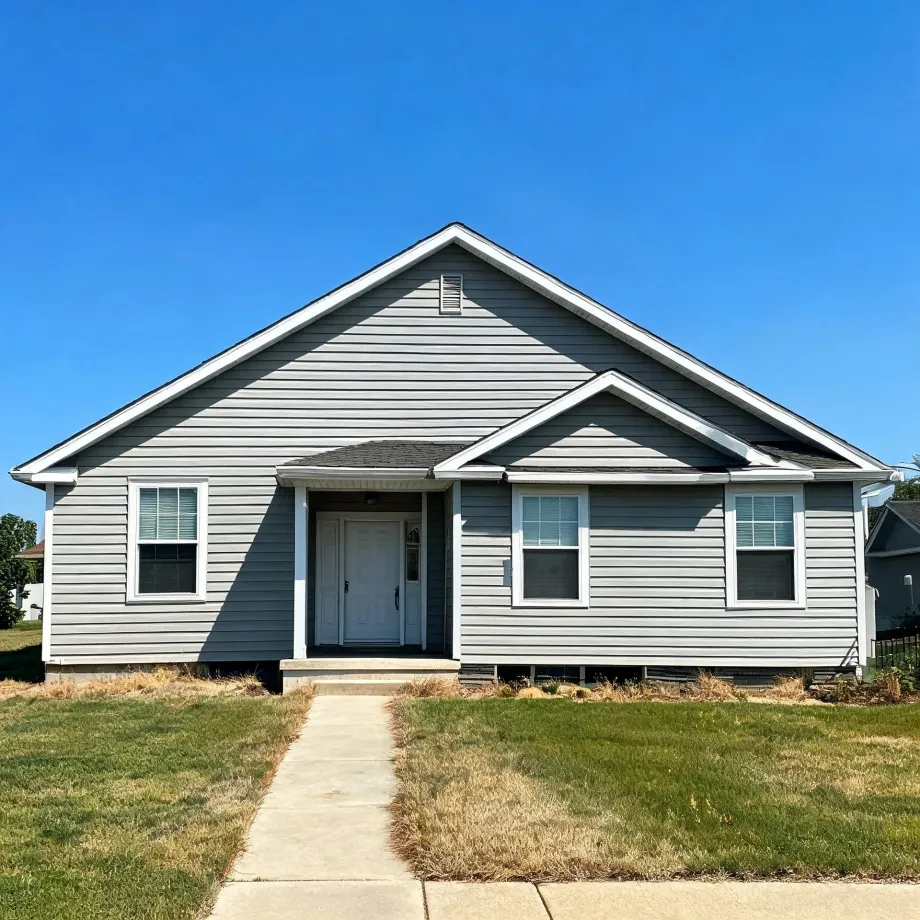
Repair work on a central AC system here starts with what is actually inside the unit once it is open, and in stock this age that question has a sharper edge than it might look. Half the homes in Iron County, Utah were built in 1997 or earlier (2020-2024 ACS 5-year). Equipment in houses that old has often been swapped out once or more, but what a contractor pulls apart may still run on parts that manufacturers have phased out or produce in short supply. A refrigerant fitting, a control board, a capacitor of the right spec: any of those can turn a straightforward repair into a sourcing problem.
The Parts of a Central AC a Contractor Checks First
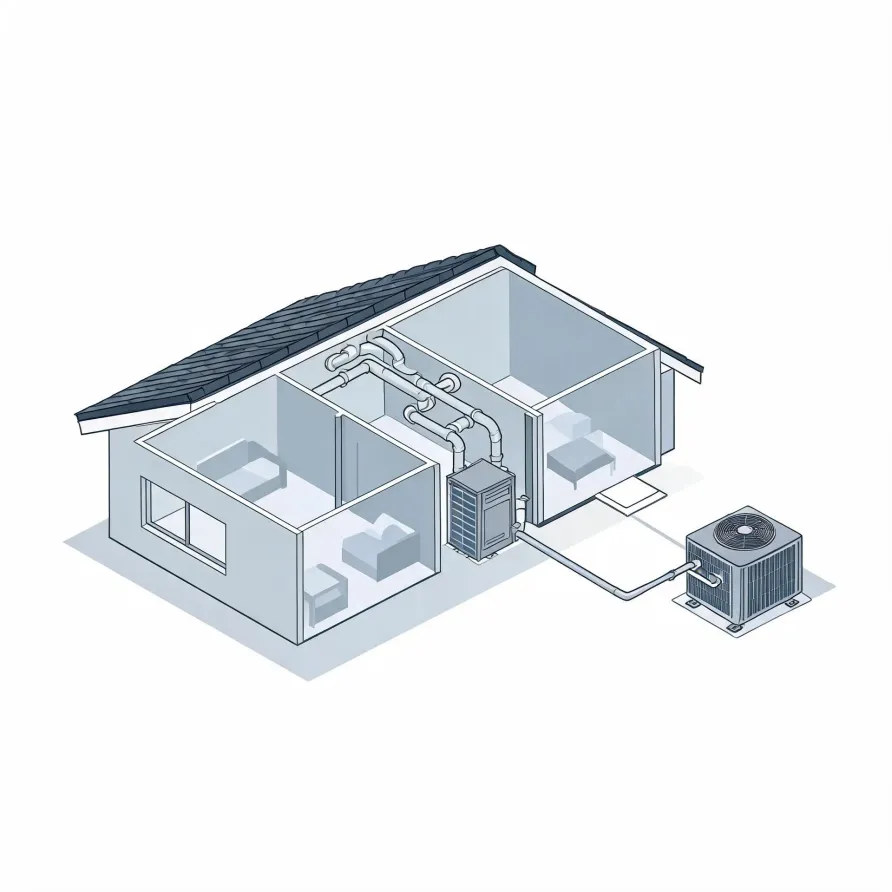
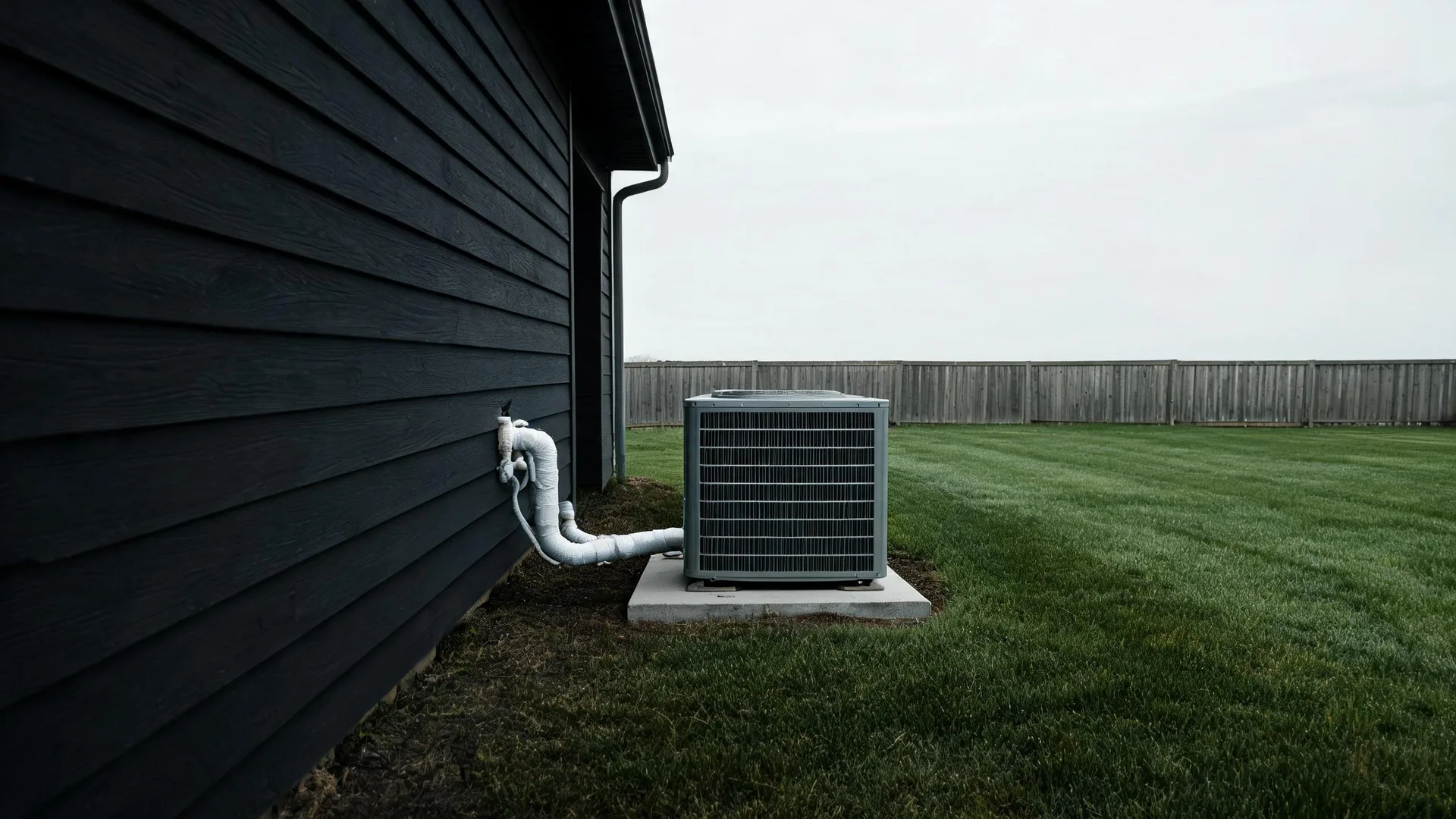
The outdoor condenser unit sits outside the house, usually on a concrete pad along an exterior wall, and it carries the components a contractor reaches for first: the compressor, the condenser coil, and the fan. When the system runs but the house stays warm, the problem is often in this cabinet. A failed compressor, a clogged or damaged coil, or a fan that has stopped moving air will each produce that same symptom.
Inside the house, the air handler holds the evaporator coil and the blower. The air handler pulls warm air across the coil and pushes cooled air into the supply ducts. A refrigerant leak at the evaporator coil, a frozen coil, or a blower motor that has failed can each stop the system from delivering air, so a contractor works through both units before settling on a diagnosis.
The drawing shows a typical central AC layout, and a licensed contractor determines which components apply to the specific system and conditions in your home.
Get matched in Iron CountyIron County by the numbers
77 severe weather events were recorded in Iron County, Utah between 2015 and 2024.
NOAA National Centers for Environmental Information, Storm Events Database, bulk CSV export, events 2015-01-01 through 2024-12-31.Half the homes in Iron County, Utah were built in 1997 or earlier (2020-2024 ACS 5-year).
U.S. Census Bureau, 2020-2024 American Community Survey 5-Year EstimatesIron County, Utah holds 23,550 housing units (2020-2024 ACS 5-year).
U.S. Census Bureau, 2020-2024 American Community Survey 5-Year EstimatesOwners occupy 68.3% of the occupied homes in Iron County, Utah (2020-2024 ACS 5-year).
U.S. Census Bureau, 2020-2024 American Community Survey 5-Year EstimatesCodes & Standards for Central AC Repair in Iron County, Utah10 sourced rules and standards
What HVAC Repair Looks Like in Iron County
Split-system central air conditioners rated below 45,000 Btu/h manufactured on or after January 1, 2023 must meet a federal minimum of 13.4 SEER2.
Split-system central air conditioners rated at or above 45,000 Btu/h manufactured on or after January 1, 2023 must meet a federal minimum of 13.4 SEER2.
Split-system central air conditioners manufactured between January 1, 2015 and December 31, 2022 had to meet 13 SEER, the metric that preceded SEER2.
Single-package central air conditioners manufactured on or after January 1, 2023 must meet a federal minimum of 13.4 SEER2.
Space-constrained central air conditioners manufactured on or after January 1, 2023 must meet a federal minimum of 11.7 SEER2.
Federal efficiency standards for split-system central air conditioners and heat pumps are set on each certified combination of outdoor unit and indoor coil rather than on the outdoor unit alone.
Residential and light commercial air conditioning and heat pump systems assembled in the field, including mini-splits and unitary systems, may not be installed on or after January 1, 2025 using a refrigerant with a global warming potential above 700.
A field-assembled system whose specified components were all manufactured or imported before January 1, 2025 carries no installation compliance date under the refrigerant restrictions and may still be installed.
Licensing and Legal Requirements in Iron County, Utah
Utah’s contractor licence does not reach alteration, repair, remodelling or improvement of a building worth less than $7,000 in labour and materials together, counting every change and addition to the agreed work — though the plumbing and electrical trades are pulled back under licensure even below that figure.
Utah requires a state licence before engaging in a licensed construction trade or contracting activity, and HVAC contractor is one of the licence classifications the state issues.
Severe Weather Events in Iron County
Weather puts hours on HVAC equipment. Every storm, temperature swing, or pressure event the area sees translates into load cycles, and load cycles are what wear a system down and bring repair calls.
77 severe weather events, 2015–2024. Source: NOAA National Centers for Environmental Information, Storm Events Database.